The Best Windows for Texas Heat
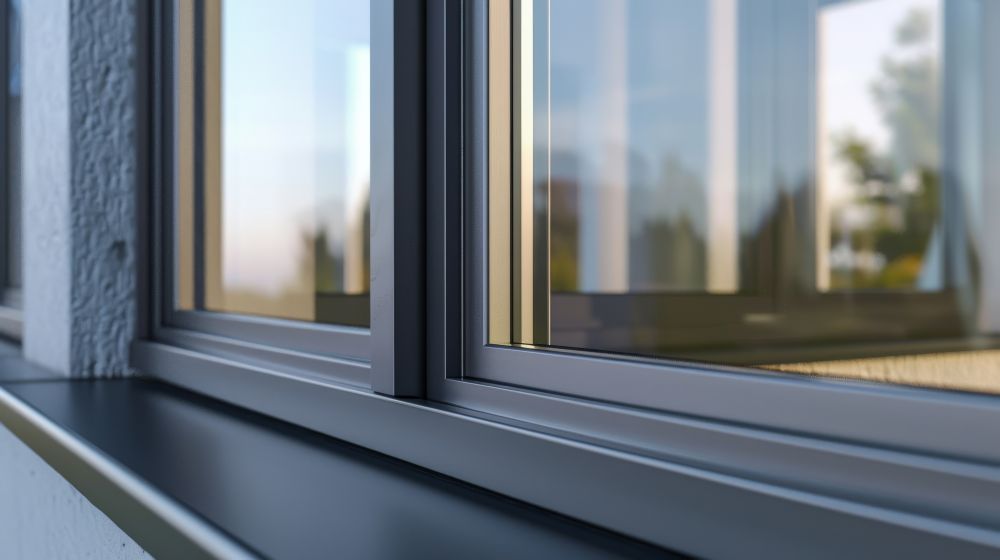

The best windows for Texas heat have a Solar Heat Gain Coefficient (SHGC) of 0.23 or lower, low-E coated glass with argon gas, and a tight, professional installation. In a North Texas summer, keeping the sun's heat out matters more than anything else on the label. With Pella, that usually means SunDefense™ Low-E glass, which Pella designs for very hot, sunny climates.
Why Texas Homes Need Different Windows
Windows are rated for climate. Up north, the goal is to hold heat in. In Texas, the goal is to keep the sun's heat out for half the year while still handling a few hard freezes.
ENERGY STAR divides the U.S. into four climate zones. Texas falls in the two warmest, and both require an SHGC of 0.23 or less. The U-factor limit is 0.28 in the South-Central zone and 0.32 in the Southern zone. A window certified for a northern state can carry the same blue label and still be the wrong window for Dallas, so confirm it's certified for your zone.
The Two Numbers That Matter
Every quality window carries an NFRC label. Two numbers on it do most of the work in Texas.
SHGC
- What it measures: How much of the sun's heat passes through the window (0 to 1).
- What to look for in North Texas: 0.23 or lower. Lower is cooler.
U-Factor
- What it mesaures: How fast heat moves through the whole window.
- What to look for in North Texas: 0.28 or lower. Lower insulates better.
Visible Transmittance
- What is measures: How much daylight comes through the window.
- What to look for in North Texas: A higher number keeps rooms bright. Balance it against SHGC.
SHGC is the big one. On a west-facing wall at 5 p.m. in August, direct sun is your AC's worst enemy. A low SHGC stops much of that heat at the glass.
U-factor still counts. It covers heat conducted through the glass and frame, which matters on 100-degree afternoons and January freeze nights.
Pella Glass Options, Explained
Most Pella windows come standard with low-E insulating glass, and Pella offers coatings tuned to different regions. The names matter when you compare quotes:
SunDefense™ Low-E
- Designed for: Very hot, sunny climates.
- Why it matters in Texas: A three-layer low-E coating that sharply cuts solar heat gain while keeping rooms bright. The go-to choice for DFW.
Advanced Low-E
- Designed for: Balanced, all-around performance.
- Why it matters in Texas: A good general-purpose glass, but not built specifically to block sun. Check the SHGC on your quote.
NaturalSun Low-E
- Designed for: Cold northern climates.
- Why it matters in Texas: Lets the sun's heat in on purpose. Not a fit for Texas sun exposures.
Triple-Pane
- Designed for: Extra efficiency and noise reduction.
- Availability: Available on Pella Reserve, Lifestyle Series, Impervia, and 250 Series windows. Useful near busy roads or flight paths.
All of these are dual-pane glass filled with argon gas, which slows heat transfer between the panes.
What Else Makes a Window Perform in the Heat?
The Frame
Pella's 250 Series vinyl frames use multi-chambered construction for strength and thermal performance. Pella Impervia's proprietary fiberglass is rot- and corrosion-free and one of the best insulating frame materials. Aluminum-clad wood lines such as Pella Lifestyle Series protect the wood from the weather outside.
The Installation
A great window installed poorly still leaks air. Gaps around the frame let hot outdoor and attic air straight in. Sealing, flashing, and insulating the opening matter as much as the glass.
Not Every Window Needs the Same Glass
- West-facing: The hardest-working windows in Texas. Use the lowest SHGC available.
- South-facing: Strong summer sun. Low SHGC pays off here too.
- East-facing: Morning heat. Low to moderate SHGC.
- North-facing: Little direct sun. You can favor more daylight.
A good consultant walks the house and talks orientation instead of quoting one glass package for every opening.
Signs Your Windows Are Losing the Heat Battle
- Glass is hot to the touch on summer afternoons.
- One or two rooms never cool down.
- Fog or haze between the panes, a sign the seal has failed and the gas is gone.
- Faded floors, rugs, or furniture near windows.
- Your AC runs almost nonstop from June to September.
Frequently Asked Questions
What is a good SHGC for windows in Texas?
An SHGC of 0.23 or lower meets ENERGY STAR's requirement for both Texas climate zones. Lower numbers block more of the sun's heat.
What is a good U-factor for windows in Dallas–Fort Worth?
Aim for 0.28 or lower. That meets ENERGY STAR's South-Central zone requirement and insulates well against summer heat and winter freezes.
What is the best Pella glass for Texas?
Pella SunDefense™ Low-E glass is designed for very hot, sunny climates and is the usual choice for North Texas homes, especially on west- and south-facing windows.
Are double-pane windows enough for Texas heat?
Yes, when they have a heat-blocking low-E coating and argon gas fill. Triple-pane adds benefit mainly for noise and extreme exposures.
Do low-E windows make a house darker?
Modern low-E coatings let most visible light through while blocking heat and UV rays. Compare the Visible Transmittance number if daylight matters to you.
Questions about sales or installation? Email Alisa directly at alisa@vaquerowandd.com. She handles quotes, scheduling, and install questions for Vaquero customers.
Prefer to talk? Call (972) 777-5156.